首页 | 爱情文章 | 亲情文章 | 友情文章 | 生活随笔 | 校园文章 | 经典文章 | 人生哲理 | 励志文章 | 搞笑文章 | 心情日记 | 英语文章 | 会员中心
当前位置:文章故事>爱情文章>文章内容 经典美文欣赏

极度深寒

How an Iranian student embraces TCM as a way of healthy living_我的网站

让子弹飞

A |     

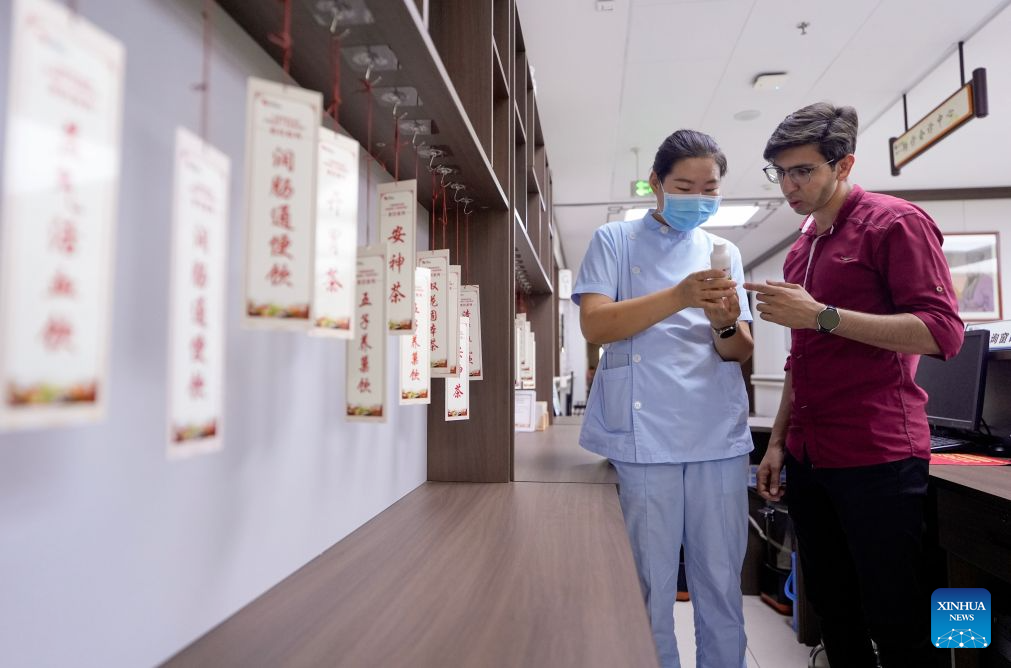
Mohammad Abdi (R) learns about TCM herbal drinks from a doctor at Ningxia Chinese Medicine Research Center in Yinchuan, northwest China's Ningxia Hui Autonomous Region, on Aug. 15, 2026. Mohammad Abdi, a 26-year-old Iranian student, came to China in 2023 to study clinical medicine at Ningxia Medical University. 

He was introduced to traditional Chinese medicine (TCM) at an early age. After seeing his uncle receive cupping therapy in Iran, he became curious about this traditional medical practice. Later, as a medical student in China, he had the opportunity to take professional TCM courses. On weekends, Abdi visits Ningxia Chinese Medicine Research Center to experience various TCM therapies.

I was a gym rat, so I initially thought TCM practices were too simple to be effective, he said. However, as he learned more about TCM, he was impressed by its depth and effectiveness. He recommended Baduanjin, a traditional Chinese breathing and stretching exercise, to his fellow international students, while he especially enjoys tuina massage combined with cupping therapy, which helps relieve the stress of his studies and clinical internship.

For Abdi, TCM is more than a way to treat diseases; it is also a health philosophy that can be integrated into daily life. He believes ordinary people can benefit from TCM-based wellness practices, while professional doctors can use TCM techniques to treat patients.

TCM is now expanding its global presence and joining the worldwide conversation on health and lifestyle. Inspired by growing interest in Chinese lifestyles overseas, Abdi hopes to continue exploring TCM and become a skilled doctor, helping more people in his hometown benefit from traditional Chinese medicine. (Xinhua/Yang Zhisen)
    Mohammad Abdi (R) learns about TCM herbal drinks from a doctor at Ningxia Chinese Medicine Research Center in Yinchuan, northwest China's Ningxia Hui Autonomous Region, on Aug. 15, 2026. Mohammad Abdi, a 26-year-old Iranian student, came to China in 2023 to study clinical medicine at Ningxia Medical University. He was introduced to traditional Chinese medicine (TCM) at an early age. After seeing his uncle receive cupping therapy in Iran, he became curious about this traditional medical practice. Later, as a medical student in China, he had the opportunity to take professional TCM courses. On weekends, Abdi visits Ningxia Chinese Medicine Research Center to experience various TCM therapies. "I was a gym rat, so I initially thought TCM practices were too simple to be effective," he said. However, as he learned more about TCM, he was impressed by its depth and effectiveness. He recommended Baduanjin, a traditional Chinese breathing and stretching exercise, to his fellow international students, while he especially enjoys tuina massage combined with cupping therapy, which helps relieve the stress of his studies and clinical internship. For Abdi, TCM is more than a way to treat diseases; it is also a health philosophy that can be integrated into daily life. He believes ordinary people can benefit from TCM-based wellness practices, while professional doctors can use TCM techniques to treat patients. TCM is now expanding its global presence and joining the worldwide conversation on health and lifestyle. Inspired by growing interest in Chinese lifestyles overseas, Abdi hopes to continue exploring TCM and become a skilled doctor, helping more people in his hometown benefit from traditional Chinese medicine. (Xinhua/Yang Zhisen)
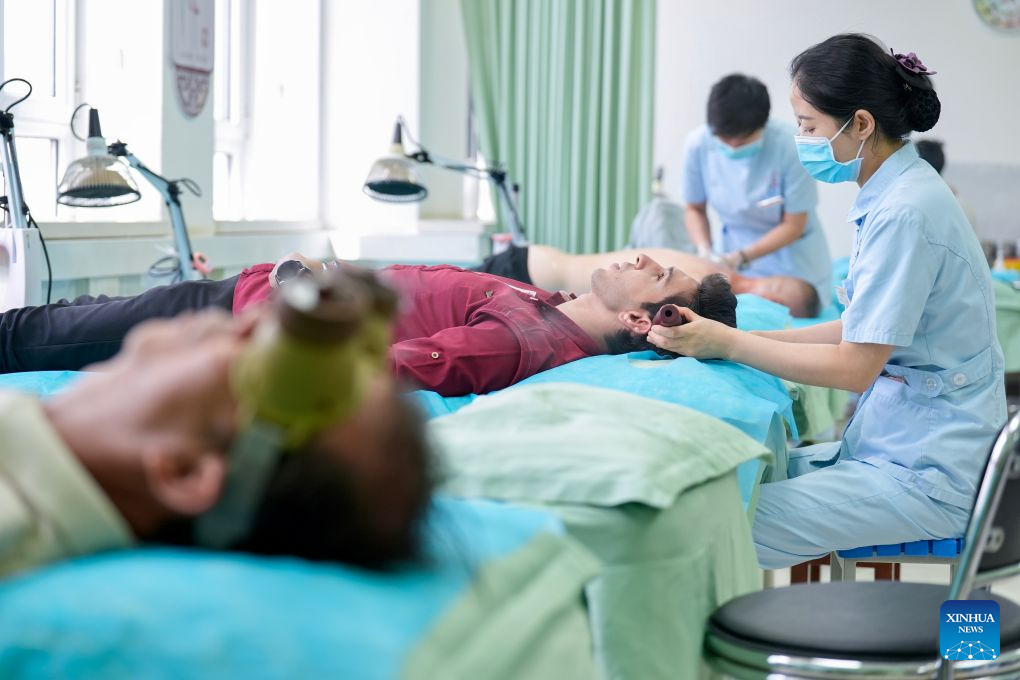
Mohammad Abdi experiences a traditional Chinese medical treatment therapy on head at Ningxia Chinese Medicine Research Center in Yinchuan, northwest China's Ningxia Hui Autonomous Region, on Aug. 15, 2026. (Xinhua/Yang Zhisen)
    Mohammad Abdi experiences a traditional Chinese medical treatment therapy on head at Ningxia Chinese Medicine Research Center in Yinchuan, northwest China's Ningxia Hui Autonomous Region, on Aug. 15, 2026. (Xinhua/Yang Zhisen)
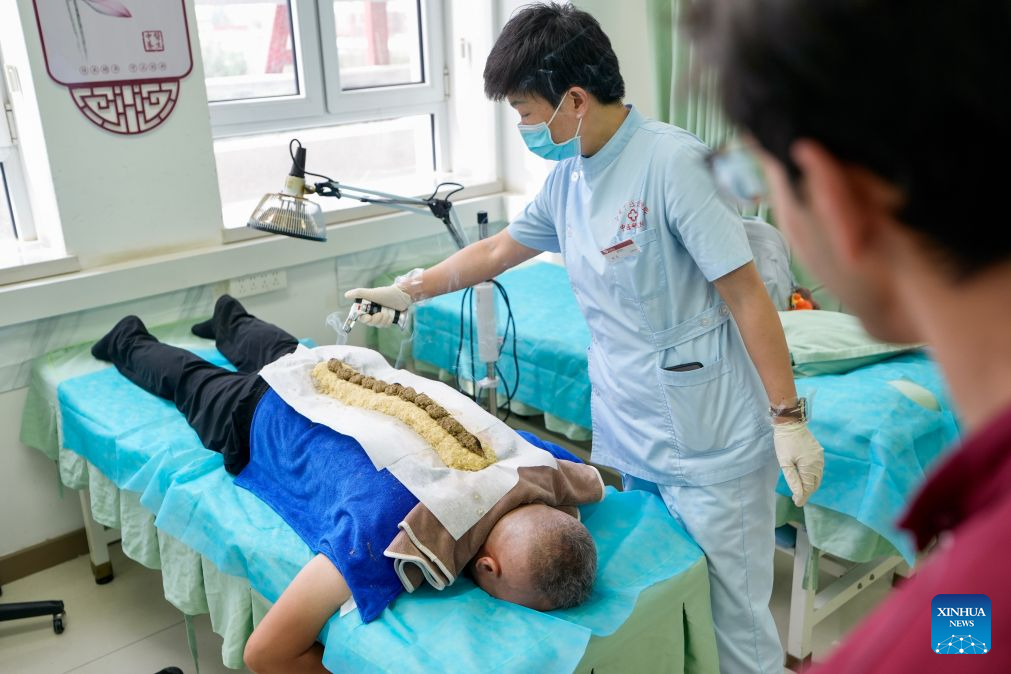
Mohammad Abdi learns about a traditional Chinese medical treatment therapy at Ningxia Chinese Medicine Research Center in Yinchuan, northwest China's Ningxia Hui Autonomous Region, on Aug. 15, 2026. (Xinhua/Yang Zhisen)
    Mohammad Abdi learns about a traditional Chinese medical treatment therapy at Ningxia Chinese Medicine Research Center in Yinchuan, northwest China's Ningxia Hui Autonomous Region, on Aug. 15, 2026. (Xinhua/Yang Zhisen)
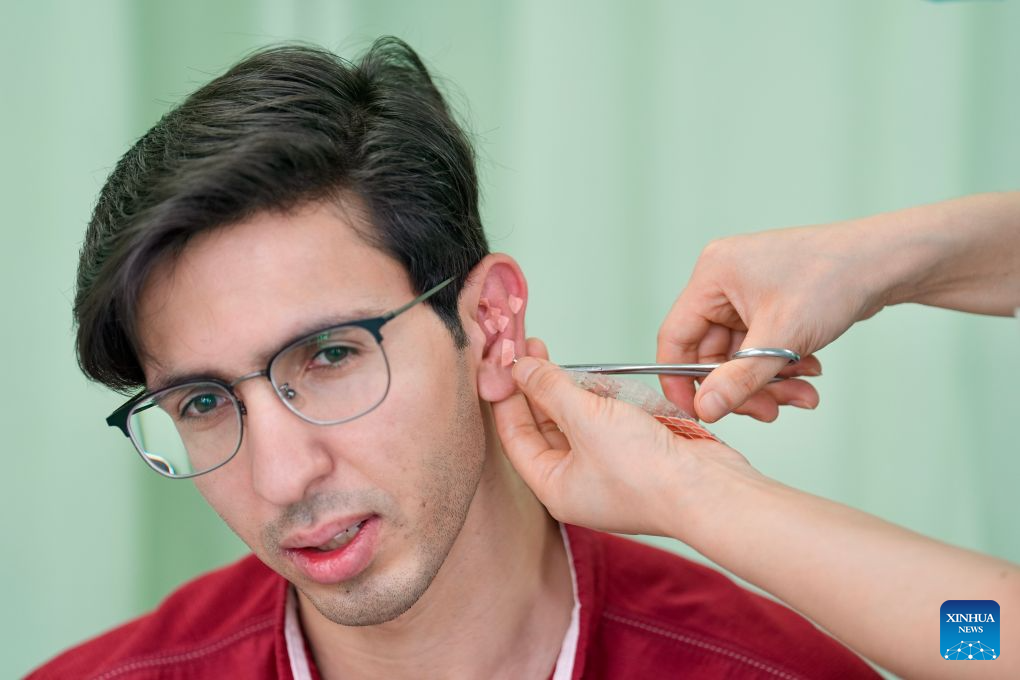
Mohammad Abdi experiences a traditional Chinese medical treatment on ears at Ningxia Chinese Medicine Research Center in Yinchuan, northwest China's Ningxia Hui Autonomous Region, on Aug. 15, 2026. (Xinhua/Yang Zhisen)
    Mohammad Abdi experiences a traditional Chinese medical treatment on ears at Ningxia Chinese Medicine Research Center in Yinchuan, northwest China's Ningxia Hui Autonomous Region, on Aug. 15, 2026. (Xinhua/Yang Zhisen)
。    
原标题:水利部:十年来我国水土流失持续呈现面积强度“双下降”我国是世界上水土流失最严重的国家之一,十年来,我们在水土流失综合治理方面取得了哪些进展? 9月13日,在中共中央宣传部举行的“中国这十年”系列主题新闻发布会上,水利部水旱灾害防御司司长姚文广介绍说,党的十八大以来,我国水土流失持续呈现面积强度“双下降”、水蚀风蚀“双减少”趋势。2021年,全国水土流失面积267.42万平方公里,比2011年下降27.49万平方公里,强烈及以上等级占比下降到18.93%,水土保持率达到72.04%。“这十年是我国水土流失治理力度最大、速度最快、效益最好的十年,为生态文明建设奠定了坚实基础。”姚文广说。2022年8月1日,陕西延安,航拍西延高铁施工建设,黄土高原青山环抱,工程建设大干快上有序推进。视觉中国 图澎湃新闻(www.thepaper.cn)从发布会上获悉,十年来,水利部门坚持预防保护控“增量”,依法监督指导50万个生产建设项目落实水土流失防治措施,人为可能造成的水土流失“增量”得到有效防控。坚持综合治理减“存量”,围绕重大国家战略,因地制宜建设国家水土保持重点工程,共治理水土流失面积58万平方公里。坚持人民至上、民生为要,将水土流失治理与提升农业生产能力、发展特色产业紧密结合。甘肃定西土豆、江西赣南脐橙、陕北苹果等特色产业在水土流失治理过程中培育发展。

B | 十年来,全国累计1000多万名贫困群众通过水土流失治理受益,年增收约50亿元。越来越多地区实现了从浊水荒山到绿水青山再到金山银山的蜕变。姚文广表示,进入新发展阶段,水利部门要完整、准确、全面贯彻新发展理念,加快体制机制改革创新,加强水土保持预防保护和监督管理,促进经济社会发展全面绿色转型;科学推进水土流失综合治理,大力实施生态清洁小流域建设,复苏河湖生态环境,提升生态系统质量和稳定性,提供更多更优质的水土保持生态产品,为美丽中国建设提供有力支撑。返回搜狐,查看更多责任编辑:

C |

Current article:http://8mm.shuicengchongmingnouhuawang.bond/list_9xx/kl16zd.html
Published on:08:05:18


Copyright © 2007-2014 我的网站 版权所有.情感文章,散文随笔,美文故事在线阅读